The Hiss, the Clank and the Toot: A Family Guide to Steam Engine Questions at Pugneys
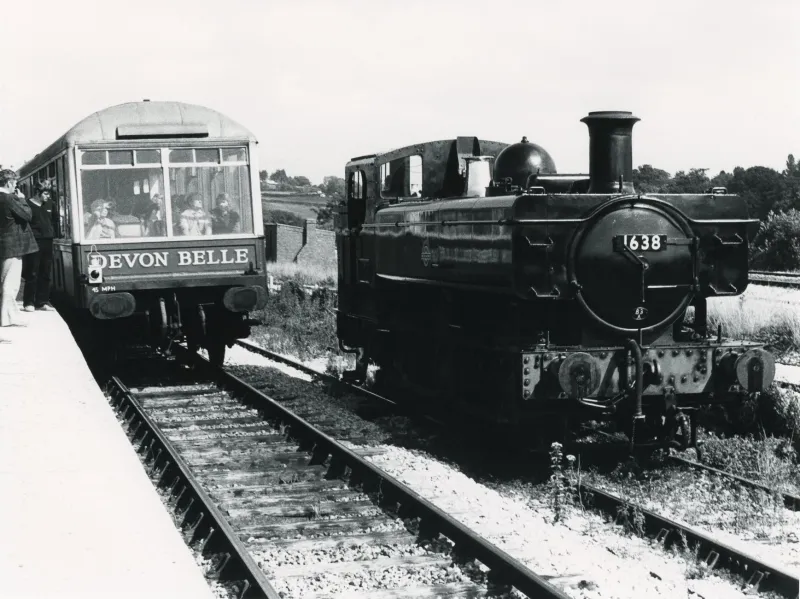
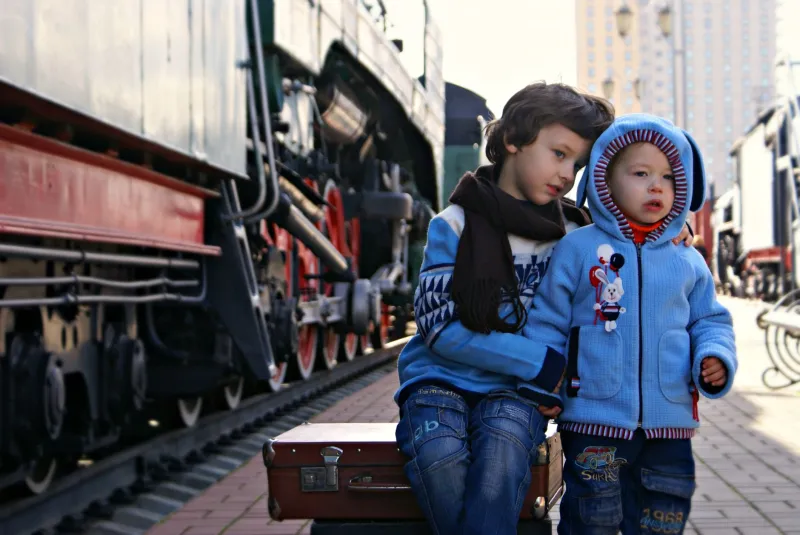
Standing on the platform at Pugneys Light Railway, with a small hand in yours and a steam engine ticking and sighing nearby, the questions tend to arrive before the train does. Why is it hissing? What is coal for? Why does the hooter make that noise? You do not need an engineering degree to answer. You need a few honest explanations, a bit of pointing, and the willingness to say: I am not sure, let us watch and find out.
Start With the Hiss, Not the Textbook
Most children notice the hiss before they notice the machinery. It is the sound that makes a steam engine feel alive, like a kettle that has decided to join the family day out.
The simple version is this: a steam engine is a giant kettle with a purpose. Water is heated in a boiler until it turns into steam. Steam takes up much more space than water, so it builds up pressure. Some of that pressure has to be let out, and that escaping steam is often what you hear.
The hiss can come from a few different places. A safety valve may be letting off excess pressure. Drain cocks may be clearing water from the cylinders. Brakes and other parts can sigh and spit too. You do not need to identify every source on the spot. Say something like: that is steam finding its way out, and the engine is doing a job while it does it. Then listen together. The hiss is not a warning that something is wrong. It is part of the engine breathing.
What Coal Is Actually Doing
Coal is not there for decoration, and it is not there to make a nice smell. It is fuel. Inside the firebox, coal burns very hot. That heat travels through the boiler and turns water into steam. In the simplest terms, the coal is the engine's kitchen: it keeps the fire going so the water can boil.
If your child asks why the railway uses coal rather than logs, you can say that coal burns hot and long, which is useful when you need a steady supply of steam. The fireman shovels it in, watches the fire and keeps an eye on the gauges. It is physical work, and it is worth watching for a minute or two. On a family day out, the fireman is often the most underrated performer on the platform.
You may see ash, smoke and a bit of grit. That is normal for a coal-fired engine. Keep children behind the marked line, and use the moment to talk about why the railway staff wear what they wear and why the footplate is not a place for visitors. The rules are part of the story, not an interruption to it.
The Bit That Makes the Wheels Go Round
Look low down at the side of the engine and you will see rods and bars moving backwards and forwards. This is where steam becomes motion.
Steam from the boiler is let into a cylinder, where it pushes a piston. The piston is connected to rods, and those rods turn the wheels. It is a bit like a grown-up pushing a bicycle pedal: push, release, push again, and the wheel keeps turning. The chuff-chuff sound is not the engine saying hello. It is steam being pushed out after it has done its job.
Children often spot the motion before adults do. Let them point. Ask which part is moving slowly and which part is moving quickly. You can count the chuffs between two platform lamps or two fence posts. It is a simple game, but it turns a noisy engine into something a child can watch with purpose. Stay behind the line, keep hold of hands, and let the moving parts do the teaching.
Why the Hooter Sounds Like That
The hooter is a steam whistle. Steam is forced through a shaped opening, and the shape and size of that opening help create the sound. The pressure of the steam affects it too. That is why a hooter can sound deep, sharp, mournful or cheerful depending on the engine and the moment.
It is also a signal. A hooter is not just there to make children jump. It warns people on the platform, tells staff what is happening and carries across the country park. At Pugneys Light Railway, the hooter is part of the theatre of the day. It announces that the train is ready, or that it is moving, or that it wants people to pay attention.
If your child is sensitive to noise, this is a good moment to plan ahead. Stand a little further back, cover ears together, or watch from a quieter spot. If your child loves the sound, ask them to listen for the rhythm. One long toot and two short ones do not mean the same thing. You do not need to know every code. Just noticing that the hooter is a language is enough to spark a conversation.
How to Spark Curiosity Without Turning It Into a Lesson
The trick is to follow the child, not the curriculum. Pick one question for the journey. Maybe it is: where does the steam go? Maybe it is: why does the engine smell like that? Let your child choose. Then look for the answer together.
Practical things work better than speeches. Count the chuffs. Spot the safety valve. Listen for the hiss before the wheels move. Watch the fireman. Ask a volunteer a question if the moment is right. Volunteers at a heritage railway are usually delighted to explain what they are doing, provided everyone stays in a safe place and the train is not about to leave.
Avoid turning the platform into a quiz. If your child is not interested, let it go. The day is about the ride, the snacks, the puddles and the small rituals. The science is a bonus, not homework. A tiny notebook can help, or a note on your phone. Write down one question to look up at home. That way the curiosity lasts longer than the journey.
A Pocket Glossary for the Platform
Boiler: the big tank where water is heated into steam.
Firebox: where the coal burns.
Piston: the part pushed by steam inside the cylinder.
Connecting rod: the arm that helps turn the piston's movement into wheel movement.
Hooter: the steam whistle that signals and announces the train.
Safety valve: a way for the engine to let off excess pressure safely.
The Best Answer Is Often a Point and a Pause
You do not have to explain everything perfectly. Children remember the moment when you stopped, looked and wondered alongside them. A steam engine is a splendid thing to wonder at: hot fire, boiling water, moving metal, a voice that carries across the park. Answer the question in front of you, then let the next one arrive. The hiss, the clank and the toot are all part of the same story, and at Pugneys Light Railway you can hear it unfold one platform-side question at a time.