Five More Minutes, Then Home: A Kind Ending to a Day at Pugneys Light Railway
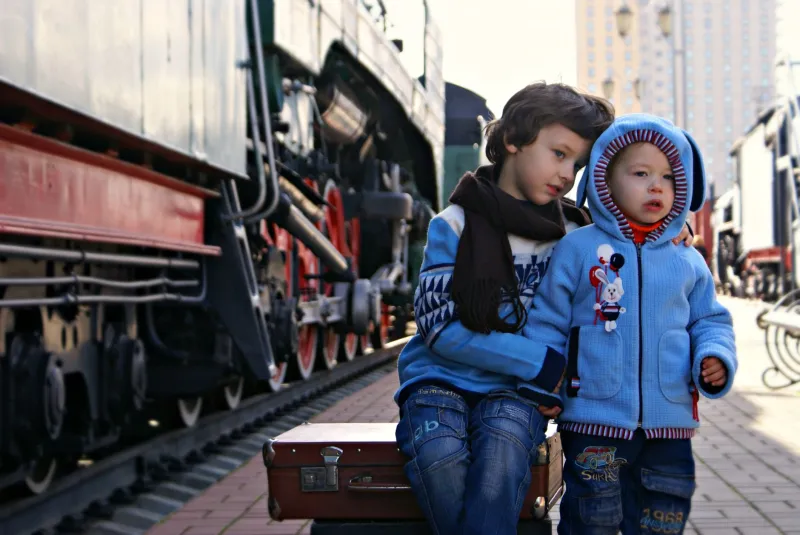
There is a sound at Pugneys Light Railway that never appears on the timetable. It starts somewhere near the gift shop at about half past three in the afternoon: a low, rising whimper that has nothing to do with steam and everything to do with a small person who has decided, firmly, that going home is not on the agenda.
Endings are the tricky bit of any family day out. The middle looks after itself — the carriages, the hooter, the scramble for the window seat. It is the final half hour that decides whether you drive away with a warm, sleepy silence or a full-scale meltdown in the car park. So here is a plan, drawn from the accumulated wisdom of parents who have learned the hard way.
Spot the tipping point before it spots you
Most parents can name the exact moment a good day starts to wobble. It is rarely anything dramatic. It is the third request for the same snack. It is a sudden, mysterious inability to walk that did not exist twenty minutes earlier. It is a child sitting down on the platform bench mid-sentence, as though the legs have simply filed their notice.
Watch for those small signs and treat them as a friendly nudge rather than a warning siren. Aim to leave on the up-curve, not the down. A slightly early exit with everyone still smiling beats a perfectly timed one that ends in tears. You will not remember the twenty minutes you gave up. You will absolutely remember the meltdown you avoided.
Work backwards from the last train
When you arrive, glance at the day's running order at the ticket window or the board on the platform, and find the final departure of the afternoon. That is your anchor — not the clock on your phone, not the vague hope that you will simply know when it is time.
Then count backwards. Ten minutes for the loo. Fifteen for the walk to the car park at small-person speed, which is roughly a quarter of adult pace and involves at least one inspection of a stone. A few minutes for the goodbye at the gate, because there will be one. Add a buffer of about twenty minutes more than your instincts suggest, and you have your leaving time.
One word of advice: don't call it leaving. Call it the last ride. It sounds like something to look forward to rather than the thing that spoils the fun, and children are surprisingly susceptible to that bit of framing.
Turn the final train into a farewell ritual
Rituals do a lot of quiet heavy lifting with young children. They make an ending feel deliberate rather than sprung. Give the last journey of the day a shape of its own — the same shape every visit.
Everyone picks a side of the carriage. There is one final count of the landmarks on the way round. A wave to whoever is standing on the platform. A proper hooter salute as you pull in, rather than the absent-minded one you managed at eleven o'clock. If your family is the type, a small ceremonial announcement works wonders: 'Last ride of the day, everyone.'
It sounds like a small thing. It is not. A goodbye that has a routine is a goodbye a child can brace for, and bracing is most of the battle.
Tired legs are not a discipline problem
If they have had enough, they have had enough, and no amount of cheerful encouragement will rebuild a four-year-old's reserves. A sling for the littlest, a bit of patience for the rest, and a walking interview for anyone still upright.
Ask what the best bit was. Ask what the worst bit was, which is often funnier. Ask what they would tell Grandma. A child mid-answer is a child still moving, and the distance back to the gate passes a great deal more pleasantly when somebody is talking.
Sort the souvenir before the queue
That little shop by the ticket window is a lovely trap, and it opens its jaws at precisely the moment everyone is tired and sentimental. Decide the rule in the morning, in the car, before anyone has seen anything shiny. The one-thing rule works for some families. The pocket-money rule works for others. What rarely works is negotiating it in the queue with a tired child and a rumbling stomach.
If there are four things they truly love and one budget, photograph the other three. 'We'll think about it for next time' lands much better when there is a photo to prove you meant it.
The last loo stop and the last snack
Nothing undoes a smooth exit like a U-turn half a mile down the road. Build in one final stop before the car park, even if nobody has mentioned needing it. Everyone goes. No exceptions, including the adults.
And a last snack on the platform bench — something warm if the café is still serving, something from the bag if not — gives the whole departure a soft landing. Eat it slowly. Cold November afternoons and heritage railways were made for a paper cup and a bit of people-watching.
The quiet close in the car
Boots off, blanket on, a favourite song, and thirty seconds of nobody saying anything at all. Then ask for one word to describe the day. You will get 'steam' or 'chips' or 'the hooter', and you will keep it for years.
And if it all goes sideways anyway
It happens. A missed nap, a dropped ice cream, a sudden downpour. The plan is not a promise. If the day ends in tears, it is not a failed day out — it is a very good day out with a slightly untidy finish. Next time, the ritual will be a little more familiar, and leaving will be a little bit easier. That is how it goes with trains, and with children.