Slow Train, Sharp Eyes: A November Nature Trail from the Carriage Window
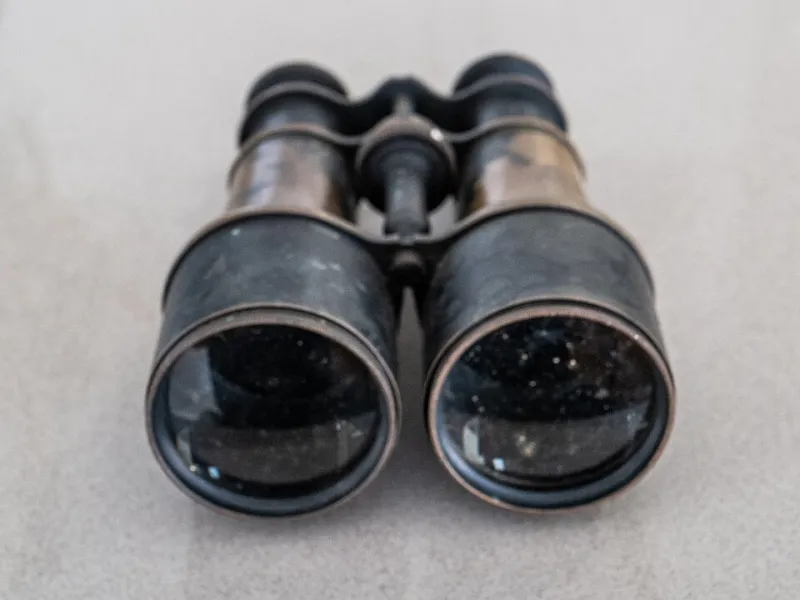
Photo: John Robert McPherson, CC0, via Wikimedia Commons
There is a particular kind of quiet that settles over the line in November. The hooters still sound, the carriages still fill with chatter, but the hedges have thinned, the lake has gone steely, and the creatures that share the corridor seem to lean a little closer to the track. For a family with a pair of binoculars and a bit of patience, a ride at Pugneys Light Railway becomes something closer to a slow safari than a simple day out.
Why November Rewards the Patient Spotter
Summer is generous but busy. Leaves hide more than they reveal, and the railway is often at its liveliest. November is different. Bare branches make birds easier to pick out, frosty mornings leave small mammal runs visible in the grass, and the water holds the kind of stillness that herons adore. You will not see everything on one trip — and that is rather the point. A nature ride works best when nobody is ticking boxes in a rush.
It also helps that the railway feels calmer in late autumn. Midweek mornings and the stretch after lunch are generally the gentlest times to ride if you want to hear the birds between the wheels. Wrap up warm, bring a flask, and treat the carriage window as your hide.
The Three Zones of the Line
Every railway has its own rhythm, and Pugneys is no exception. For spotting purposes, it helps to think of the line in three loose zones.
The lakeside stretch. This is heron country. Look for a grey, hunched shape standing motionless at the water's edge, often on one leg, pretending to be a fence post. Herons are masters of the long wait, which makes them excellent companions for children who need permission to slow down. You may also catch coots, moorhens, tufted ducks and the occasional flash of a kingfisher if the light is kind. Scan the margins rather than the middle of the water — that is where the action is.
The hedgerow crossings. Between the water and the embankments, the line slips past thick hedges and small clumps of scrub. This is where the hedgerow birds live: blue tits, great tits, blackbirds, robins, dunnocks and, if you are lucky, a charm of goldfinches. In November the berries are still hanging on in places, so watch for flurries of movement and listen for contact calls. A cheap pair of beginner binoculars is plenty here; the birds are often close.
The embankment edges. The grassy banks and bramble patches are the railway's quiet back lanes. Small mammals use them as cover — bank voles, wood mice and the occasional rabbit — though you are more likely to see the signs than the animals themselves. Look for worn runs through the grass, small burrows, and the kind of rustling that stops the moment you turn your head. This is also a good zone for kestrels hovering over the rough ground.
A Five-Minute Family Spotting Sheet
You do not need a laminated field guide. A sheet of A4, a pencil and a few headings will do. Before you leave, ask each child to choose three things they would most like to see. Then draw up a simple tick list together. Something like this:
- A heron standing completely still
- A bird with a red breast
- A bird hanging upside down
- Something moving in the hedge
- A rabbit or a mouse run
- A bird on the water
- A bird in the air
- A sound you can identify
Add a box for "mystery sighting" and let them draw it. The drawing often matters more than the identification. If you want to go a step further, print a simple silhouette sheet from a wildlife trust website and take a pencil each. Clipboards are optional but do make the whole thing feel pleasantly official.
Where to Sit and When to Go Quiet
If you can, choose a seat on the lake side of the carriage. It gives you the widest view and makes it easier to point things out without leaning across strangers. On busier days, the quieter stretches tend to be the long straight beside the water and the shaded cutting where the line curves away from the lake. Those are the places to lower your voice and let the children do the looking.
A word on train noise: the hooter is part of the fun, but it will empty the hedgerows for a minute or two. Use that pause to talk about what you have just seen, then start scanning again once the engine has settled into its rhythm. Birds quickly return.
Keeping Small Spotters Happy Between Trains
Patience is not a natural childhood skill, so build it into the trip. Give each child a job — chief heron watcher, hedge rustler, sound recorder — and swap halfway. Take snacks. Take a thermos. Take the spotting sheet out at the platform rather than saving it for the carriage. If attention starts to fray, play "one quiet minute": everyone stops talking and listens for a single bird call. It rarely fails to reset the mood.
And do remember the railway rules: stay behind the fences, never feed the wildlife, and keep voices low near the water. The animals are sharing their home with us.
Turning the Ride into a Half-Day Out
A single return trip is lovely, but November rewards a slower plan. Ride first, then take a gentle lap of the lake path afterwards. The walk gives children a chance to use binoculars properly — look for 6x30 or 8x32 models for small hands, and skip anything too heavy or too powerful. A flask and a biscuit at the picnic tables round things off nicely.
If the weather turns, retreat to the cafe and draw the spotting sheet from memory. If it holds, extend the day with a short stroll towards the castle ruins nearby. Either way, the point is not to tick off every creature on the list. It is to notice a few, wonder about the rest, and come home with muddy boots and a new favourite bird.
A Final Platform Note
The railway is at its most magical when you let it set the pace. November gives you mist, low light and empty branches — a landscape built for slow looking. Bring the children, bring the binoculars, and let the herons teach them how to wait.