Stubs, Sketches and Sunday Tea: A Pugneys Memory Book That Grows With Your Family
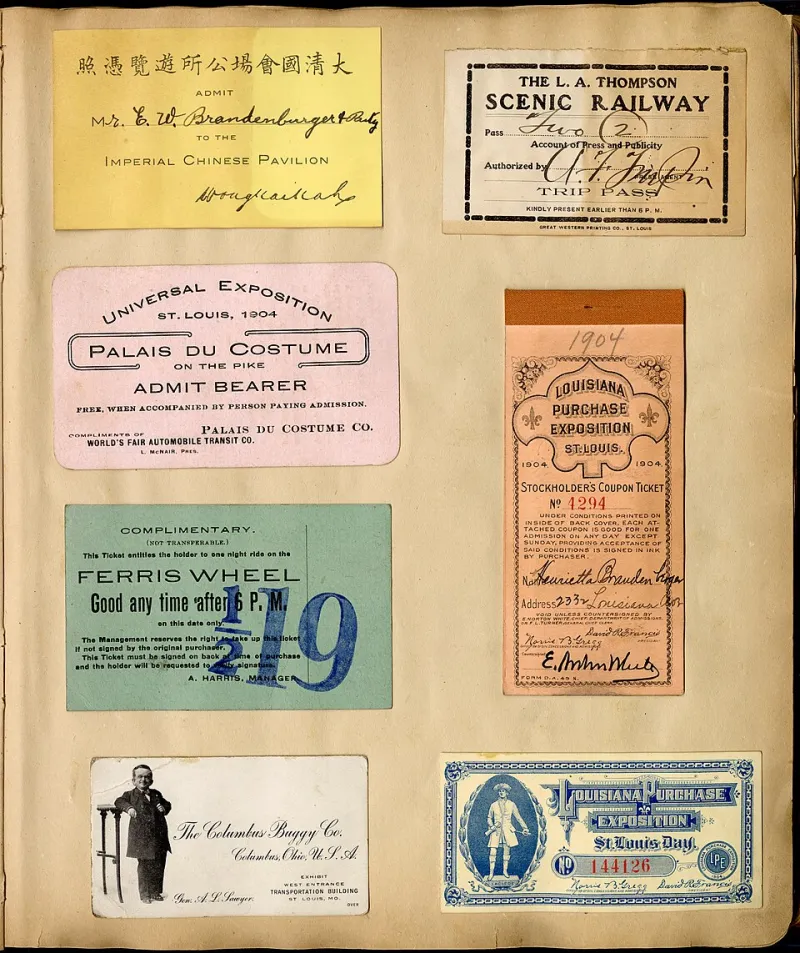
Photo: Brandenburger family, Public domain, via Wikimedia Commons
There is a particular moment after a Pugneys day when the house goes quiet. The coats are dripping by the door, the last biscuit has been negotiated over, and somewhere in a pocket is a slightly crumpled ticket stub. That little rectangle is not just paper. It is proof of a whistle, a window seat, a muddy boot and a small hand pointing at something moving through the trees.
A family memory book does not need to be beautiful. It needs to be started. Think less ‘scrapbooking retreat’ and more ‘kitchen table, kettle on, fifteen minutes before bath time’. One page per visit is plenty. One page per whistle, if you are feeling ambitious. The aim is not a perfect album; it is a family archive that grows softer and funnier with every year.
Start With a Shoebox, Not a Scrapbook
Before you buy anything, find a shoebox. Or a cereal box with the top cut off. Into it go the small things that would otherwise end up in the bin: ticket stubs, a platform wristband, a leaf picked up near the car park, a chocolate wrapper from the buffet, a pencil sketch of the engine’s face. Add a cheap A5 notebook or a ring binder with a few plastic wallets. Charity shops are excellent for half-used craft paper and odd packets of stickers.
You do not need a cutting machine, a laminator or a dedicated craft room. A glue stick, a pencil, a few felt tips and a roll of washi tape from the back of a drawer will do. The best Pugneys pages are the ones that look like they were made by actual children on an actual Sunday, not by a professional stylist with a hot glue gun.
The One-Sentence Rule
After the steam has settled, ask everyone for one sentence about the day. Not a summary. Not a review. One sentence.
‘The best bit was when the whistle made Grandad jump.’
‘I liked the bit where the trees went blurry.’
‘It rained and we had two hot chocolates.’
Write it down in the book exactly as it was said. Date the page and add the weather. That is the spine of the memory. Everything else — the ticket, the leaf, the sketch — hangs off that sentence. Toddlers can dictate; older children can write their own; grandparents can add a line in their own handwriting, which is its own quiet treasure.
Prompts That Work for Every Age
Toddlers and pre-schoolers do best with concrete, sensory questions. What did the train say? What colour was your ticket? Who did you sit next to? Did the seat feel bumpy or smooth? Let them scribble a ‘drawing of the engine’ and label it yourself in the margin.
Primary-age children often enjoy a tiny challenge. Can you draw what you saw from the carriage window? What made you laugh? What would you tell a friend about Pugneys? What was the loudest thing? What was the quietest thing?
Teenagers may resist the whole idea, so keep it light. Ask for the best five minutes, one photo they would keep, or one thing they would change. A single line from a teenager is worth more than a forced paragraph.
Grandparents bring the long view. What did this remind you of? Which bit would you keep if you could only keep one? Is there a line you would write to your younger self? Their handwriting on the page turns a family day out into a family history.
The Kitchen Table Ritual
Choose a gentle moment — after tea, before the Sunday film, or on a wet Wednesday when the trip feels like a small warm glow in the middle of the week. Lay out the shoebox, the book, the glue stick and a biscuit. Give it fifteen minutes. If it stops being fun, stop.
The ritual matters more than the output. Coats off, kettle on, ticket stub on the table. One person writes the sentence. Someone else draws the carriage window. A pressed leaf gets a strip of tape and a label: ‘Near the picnic bench, November 2026’. The page goes back in the binder or onto the fridge with a magnet. That is it. The day has been caught.
What to Keep and What to Let Go
Keep the ticket stub, the sketch, one photograph if you have one, and the sentence. Keep the leaf if it is flat and not too crumbly. Keep the wristband if it still has the date on it. Let go of the rest. A memory book is not a recycling bin for every receipt and crisp packet. It is a curated little shelf of days.
If a page does not get made, do not turn it into a guilt project. Some visits are for living, not documenting. The memory book will wait.
Five Low-Cost Supply Ideas
- A ring binder and a packet of plastic wallets from a supermarket.
- A glue stick and a pencil case of felt tips.
- A roll of patterned tape from a charity shop.
- A date stamp or a simple rubber stamp and ink pad.
- A shoebox labelled ‘Pugneys pages’ and kept on a shelf.
A Book for the Quiet Visits Too
The rainy Tuesdays count. The winter weekday when you only stayed an hour count. The visit where the best bit was the hot chocolate and the puddle count. A page for those days keeps the book honest. It says: this is our family, and this is what we did with our ordinary time.
Once a year — perhaps between Christmas and New Year — pull the book down and read a few pages together. Compare handwriting. Laugh at the sentences. Notice how the drawings got more detailed, or how the same phrase keeps appearing. That is the whole point. Not a perfect album, but a growing record of whistles, weather and the people who stood on the platform together.
So next time you come home from Pugneys, empty your pockets onto the kitchen table. The ticket stub is already a page waiting to happen.