Before the Whistle: Turning Platform Linger into a Family Ritual at Pugneys

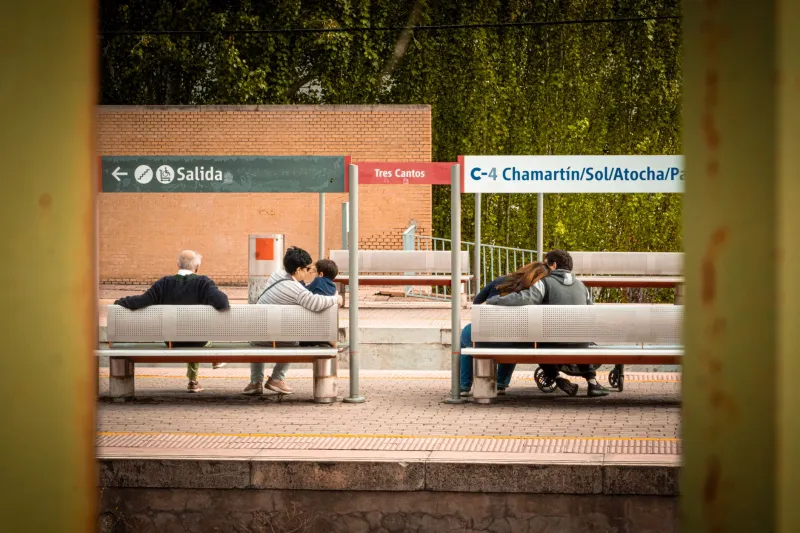
Photo by Photo by Craig Chilton on Unsplash on Unsplash
There is a moment at Pugneys Light Railway that parents either fight or savour. You have parked, wrangled everyone into coats, negotiated the ticket queue, and now you are standing on the platform with a train that has not yet arrived. The temptation is to treat those minutes as dead time — a holding pen before the good bit. But ask any child what they remember from a heritage railway day and, more often than you would think, it is not the journey itself. It is the waiting.
The bit we try to rush
We are a nation of timetable-checkers. We plan the journey, book the tickets, and then quietly resent any gap between arriving and departing. Children do not work like that. For them, anticipation is not a delay; it is the main event. The platform is where the day begins to smell of steam and coal, where the rails start to hum, and where a small person can spot a guard's flag before anyone else. If we rush them through it, we skip the opening scene of the play.
So this is a gentle case for slowing down on purpose. Not for arriving an hour early and standing about in the cold, obviously. But for treating the ten or fifteen minutes before departure as part of the day out rather than an obstacle to it.
Arrive early — but not too early
The sweet spot at Pugneys is usually around fifteen to twenty minutes before your train. That is enough time to find the platform, visit the loo, settle the pushchair, and still have a few minutes of proper pottering. Any earlier and younger children start to wilt; any later and you are doing that harried platform sprint that nobody enjoys.
Use the time to check the timetable board together. Let an older child read out the departure time. Point out where the train will appear from. It sounds simple, but it gives everyone a sense of what happens next, and children who know what is coming tend to be calmer when it arrives.
Give small hands a job
Waiting is much easier when you have a role. Before you set off, or as you arrive, hand out a few unofficial platform jobs. The ticket holder. The signal spotter. The carriage counter. The bench inspector, who must test at least two benches and report back. The engine-name finder, who has to read the nameplate when the locomotive appears.
None of this needs to be elaborate. It is just a way of directing that restless energy towards the railway instead of towards the vending machine. You will be amazed how seriously a five-year-old takes the job of counting carriages, and how much more they notice when they have been given permission to look properly.
The flask-and-biscuit treaty
Every family ritual needs a small anchor, and on a heritage platform in November that anchor is usually a flask. Bring the thermos. Bring a bag of biscuits that can be shared without too much ceremony — nothing that requires a plate or a napkin, just something sturdy and dunkable. Find a bench, or a sheltered corner, and make the same stop each time you visit.
The point is not the tea. The point is the pause. It gives children something to do with their hands, gives parents a moment to breathe, and turns the platform into a place you are choosing to be rather than a place you are stuck. On a cold day, a warm cup and a shared biscuit can do more for family morale than any amount of queue management.
Platform etiquette without the nagging
Heritage railways are friendly places, but they are also working sites, and a bit of gentle etiquette keeps everyone safe and happy. The yellow line is not a suggestion. Hold hands near the platform edge. Let passengers off the train before you get on. Keep voices low near the engine, where the noise can be sudden and loud. And always ask before touching a dog, a carriage or another family's picnic.
The trick is to frame these rules as part of the ritual rather than a list of don'ts. We stand behind the line because we are watching the theatre, not because we are being told off. We let people off first because that is what railway people do. Children copy the tone they are given, and a calm platform usually stays a calm platform.
Watch the small theatre
This is the real gift of platform time: the chance to watch the railway at work. A heritage line is full of small movements that children find fascinating once they know to look. The engine might shunt backwards and forwards, coupling up with a quiet clunk. The guard raises a flag. The whistle gives a short toot, then a longer one, and everyone on the platform seems to understand what it means even if nobody explains it.
You do not need to be a railway expert. Just narrate what you see. There goes the guard. Listen for the hooter. Watch the steam come out of that pipe. Look at how slowly the train starts, and how carefully the driver checks the platform. It is a working machine, but it is also a performance, and the platform is the best seat in the house.
A slower goodbye
If you can, stay for five minutes after your journey ends. Watch the next departure leave without you. Let the children wave at the passengers, count the carriages again, and say goodbye to the engine. It sounds like a small thing, but it rounds the day off properly. Instead of being bundled back to the car the moment the ride is over, everyone gets a moment to let the day settle.
The lost art of waiting is not really about patience. It is about attention. At Pugneys Light Railway, the platform is not a place to endure. It is where the day begins — with a flask, a biscuit, a job for small hands, and the first whistle of the afternoon.