Hands on the Regulator: Meet the Volunteers Who Keep Pugneys Light Railway Steaming
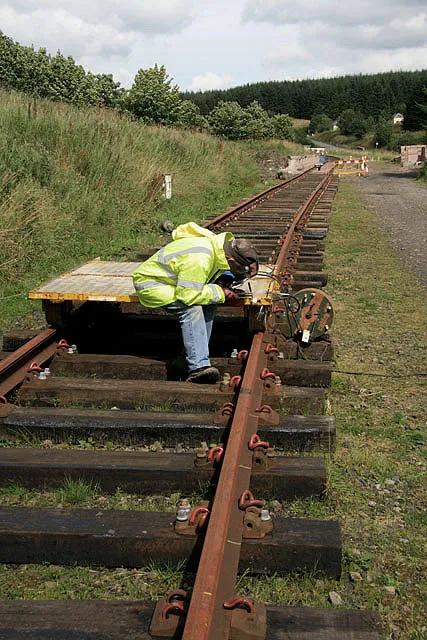
Photo: Walter Baxter, CC BY-SA 2.0, via Wikimedia Commons
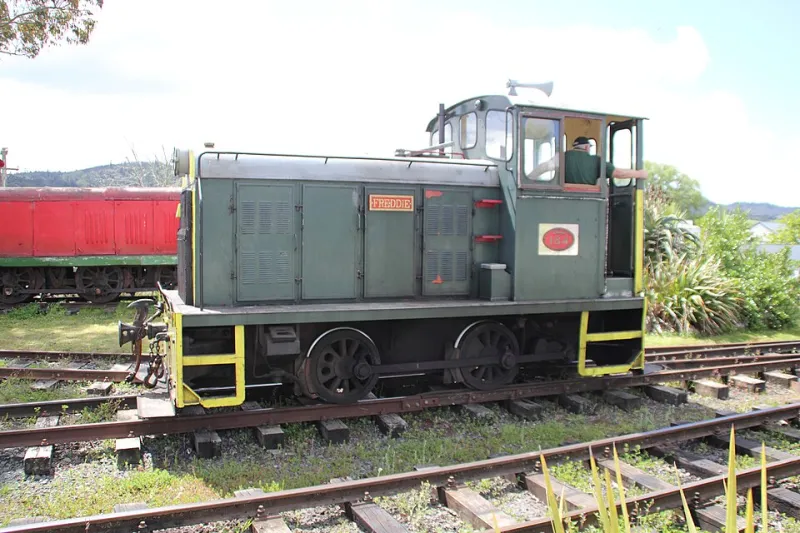
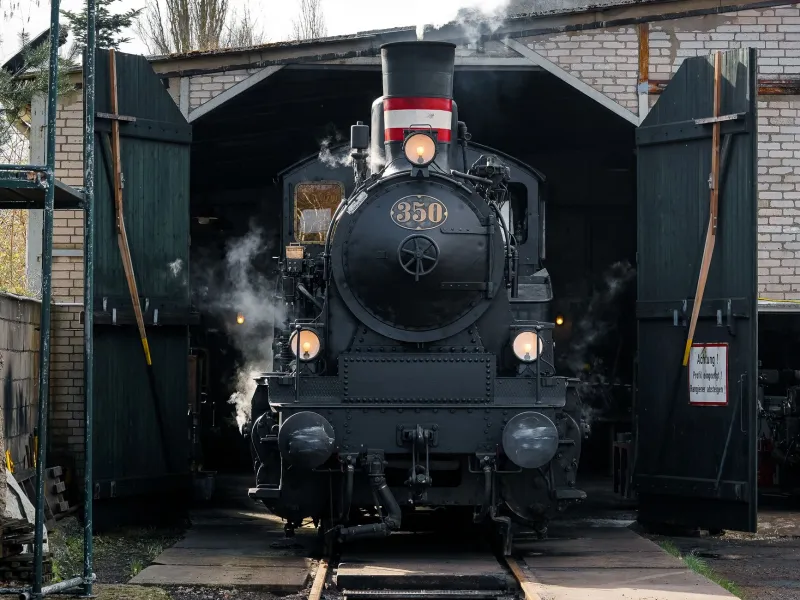
The car park is empty and the lake is a flat sheet of grey when the first volunteer turns up. Kettle on, shed unlocked, a torch run along the frames of a small tank engine that has been woken up in the same order for years. By the time the gates open and the first pushchairs roll in, this quiet hour will feel like a completely different place.
Heritage railways run on steam, obviously. They also run on people who set alarms for half five on a Saturday. Over the course of a season, Pugneys Light Railway is kept alive by a mixed bag of drivers, guards, booking clerks, shed fitters, gardeners, signal hands and teenagers earning their first set of overalls. Here is what that day actually looks like.
6.10am: The boiler doesn't care what day it is
Dave has been driving here for over twenty years and still describes the morning routine as "the bit nobody photographs." Water levels, fire, ash, lubrication, a walk round the motion with a lamp. Nothing glamorous, everything essential.
"You can't rush a boiler," he says, tapping a gauge with one knuckle. "You can try. It'll just take the same amount of time and you'll be in a worse mood."
He came to the railway the way a lot of people do — through his kids. A Sunday out turned into a membership form, which turned into cleaning duties, which eventually turned into a firing turn and then a driver's assessment. That path takes years, and he reckons that's the point.
The guard's whistle and the art of the headcount
Out on the platform, Sharon is doing up a high-vis waistcoat and quietly counting. Guard is a role people underestimate: part conductor, part safety officer, part lost-property department.
"You're watching doors, watching people, watching the clock," she says. "And you're the one who has to tell a family their train is full. That's the hard bit."
She joined after retiring from a job in Wakefield city centre and wanted something that got her outdoors and talking to people. Twelve years later she can spot a family about to lose a hat at forty paces, and she keeps a stash of spare hair bobbles in her pocket for reasons she refuses to explain.
In the booking hut, the queue is the show
Not every volunteer wants to be near a firebox. Jean has sold tickets from the same little wooden hut for nine seasons and treats the queue as a chat rather than a delay.
"People arrive frazzled," she says. "Two hours in the car, a toddler who's already asking where the train is, someone needs the loo. I tell them where to stand, what time the next one goes, and that there's cake. Suddenly everyone's fine."
She has a soft spot for grandparents who come in "just to look" and leave with four tickets and a wooden whistle.
Down at the shed: the unglamorous glue
Away from the platform, the maintenance crew are up to their elbows in something that smells of oil and old pennies. Track inspection, point greasing, painting, replacing a plank on a bench, fixing the gate that squeaks.
Rob, who runs a joinery business during the week, shrugs when asked why he spends Sundays here. "It's the only place I can fix something and then watch a five-year-old's face when it works."
His daughter started on tea-making duty at fourteen and now works on the track gang. That progression — tea, then cleaning, then something with a tool in it — is how a lot of the younger volunteers find their feet. No experience needed at the door. Only a reasonably reliable pair of boots.
The parts you never see on a timetable
Between trains there's an invisible choreography: refilling the water tank, sweeping the carriage floors, wiping windows, emptying bins, checking the level crossing, writing up the day's log. It's the kind of work that only becomes noticeable when it isn't done.
And it's social. There is a lot of tea. There are a lot of biscuits. There are long-running jokes about a particular kettle and a particular person who always leaves it empty.
Why they give up their Saturdays
Ask a dozen volunteers and you'll get a dozen answers, but three keep coming back.
- The machinery. A small steam engine is comprehensible in a way modern life isn't. You can see how it works and hear it working.
- The people. The team spans students, retirees, shift workers and parents who do the school run in the week and want something of their own at the weekend.
- The faces. Specifically the smallest ones. The ones who gasp at the whistle, or wave at the driver for the entire length of the platform.
Could you be one of them?
It genuinely doesn't matter whether you can tell a piston from a post box. Volunteers start with the tasks anyone can do, learn as they go, and pick up proper training if they want to progress towards firing, driving or guard duties. Under-16s are usually welcomed alongside a parent or guardian, which makes it a decent option for a family that wants to do something together that isn't another soft play session.
If you're curious, the simplest route is to say hello on a running day — a steward will always point you towards whoever is in charge — or drop the railway a message through the website. Turn up in clothes you don't mind getting mucky, bring a willingness to make tea, and see how it goes.
The last train of the day pulls in, the fire gets raked out, the shed doors close, and someone switches the lights off on a very quiet platform. Tomorrow the lake will be grey and the kettle will need filling all over again.