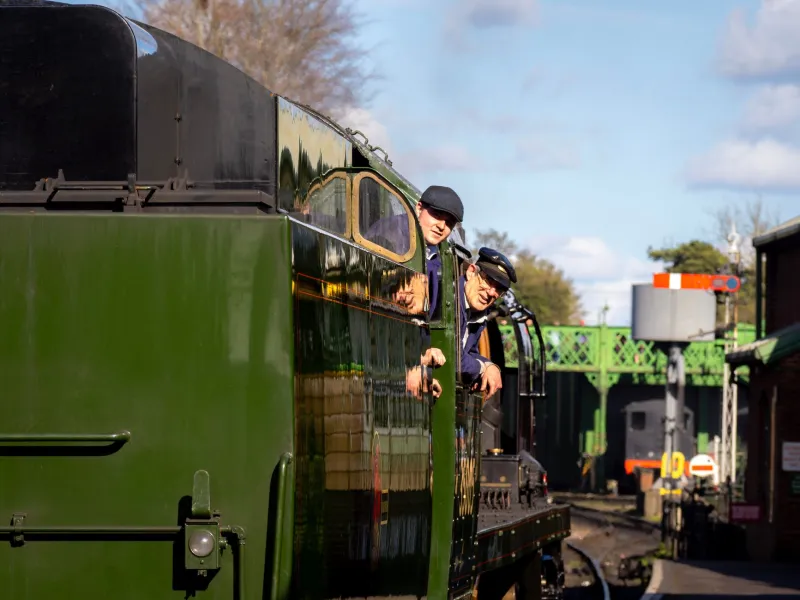
From Sidings to Smiles: How a Small West Yorkshire Railway Found Its Heart
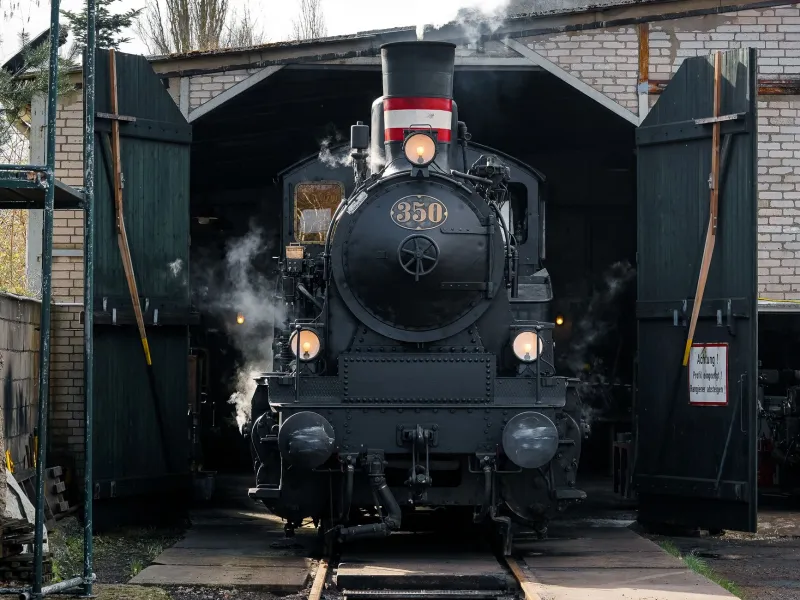
The first thing you notice in the engine shed is the smell. Oil, coal smoke and cold metal, with a faint undertone of tea from the kettle in the corner. A volunteer in a well-worn boiler suit is wiping down a brass fitting that already looks immaculate. He's been doing this, he says, for longer than he cares to remember.
"People think it's about the trains," he says, nodding towards the track outside. "It's not, really. It's about the people who turn up."
That sentiment runs through the whole story of Pugneys Light Railway. Ask anyone connected with the line — drivers, guards, ticket sellers, the families who come back year after year — and the conversation quickly moves away from machinery and towards memory.
A railway born from a country park
The story begins with the creation of Pugneys Country Park, a former industrial landscape on the edge of Wakefield that was reshaped into lakes, paths and open ground. As the park took shape, so did the idea of a small railway running through it — something modest, family-scaled and in keeping with the surroundings.
The early years were not glamorous. A light railway of this kind is built on pragmatism: modest locomotives, straightforward track, and a shed that doubles as a workshop, store and social club. What it lacked in scale, it made up for in character.
"There was a lot of make-do-and-mend in those days," recalls a long-serving member of the maintenance team. "You'd fabricate a part because you couldn't buy one. You'd learn as you went along. Nobody was standing over you with a manual."
The lean years and the people who stayed
Like many small heritage attractions, the railway has had quieter periods. Visitor numbers rise and fall with the weather, the economy and the school calendar. Maintenance never stops. Engines that were reliable in May need attention by September.
What kept the line going was continuity — a core of volunteers who simply kept turning up. Some had worked on the railways professionally. Others had entirely different day jobs and learned the craft on the job. Between them, they carried the institutional memory of the place: which locomotive runs best in cold weather, which curve needs watching after heavy rain, which shed door sticks in the frost.
A retired teacher who has volunteered on the platform for more than twenty years puts it simply: "You get attached to it. You see a child come through the gate at two years old, terrified of the noise, and then the following year they're waving at the engine like an old friend. You remember those faces."
The revival: steam, smiles and a bit of showmanship
The railway's renewed energy in recent years has come from a deliberate shift in approach — treating every visit as a family day out, not just a train ride. Timetables were shaped around school holidays. Events were added. The platform was tidied, signage improved, and the experience of arriving made to feel like an occasion rather than an afterthought.
"There's a real theatre to a steam railway," says one of the drivers. "The whistle, the smell, the noise before the train even appears. We lean into that. If a family goes home talking about it, we've done our job."
That showmanship is grounded in genuine engineering. Behind the scenes, locomotives are stripped, inspected and rebuilt. Carriages are repainted. Track is checked. It is patient, unglamorous work, often done in the cold, and it is the reason the trains keep running.
What visitors remember
Ask passengers what brings them back and the answers are rarely about the rolling stock. They mention the guard who crouched down to talk to a shy toddler. The grandad pointing out the lake through the window. The ritual of a hot chocolate after the ride.
One family from Horbury has been visiting since their eldest was in a pushchair. "It's become a marker of the year for us," the mother explains. "We come in the autumn, and we come near Christmas. The children have grown up with it. They think it's been here forever."
In a sense, that's the point. A heritage railway's real achievement isn't the age of its locomotives — it's the way it becomes woven into ordinary family life. Pugneys has managed that in a way that many larger attractions never quite do.
A morning on the line
Spend an hour at the railway before the first train and you get a sense of the rhythm. Volunteers arrive in dribs and drabs. A bucket of coal is filled. A lamp is checked. Someone sweeps the platform, then sweeps it again. A kettle boils. There is a great deal of good-natured disagreement about the weather forecast.
By mid-morning the first families are arriving, children running ahead to the fence. The whistle sounds. The engine moves off with that slow, deliberate certainty that only a steam locomotive has, and the platform empties as everyone leans over the rail.
"That's it," says the volunteer from the shed, watching them. "That's the whole thing."
Why it still matters in 2026
Heritage railways are often described as living museums, and that's fair enough. But Pugneys Light Railway is also simply a good day out — affordable, local, and a world away from screens. In an era when families are spoilt for choice and short of time, a railway that offers a proper pause has real value.
It also preserves something harder to quantify: the habits of volunteering, of craft knowledge passed down by hand, of a community maintaining something for other people's children to enjoy. Long after the last train of the day has been put away, that work continues.
Plan your visit
Whether you're local to Wakefield or travelling from further afield in West Yorkshire, Pugneys Light Railway is best enjoyed at an unhurried pace. Check the timetable before setting out, as services vary across the seasons, and allow time for a walk around the lake. Wear something you don't mind getting a bit of soot on. And if a volunteer stops to tell you a story about the engine you're standing next to, take the time to listen.
That, after all, is how this railway has survived: one conversation, one passenger and one volunteer at a time.