Count the Visits: Does a Pugneys Annual Pass Really Add Up for Your Family?
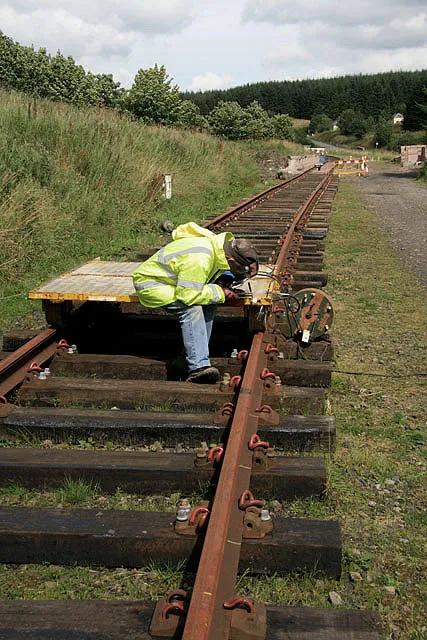
Photo: Ebyabe, CC BY-SA 4.0, via Wikimedia Commons
Annual passes are seductive. They promise belonging, spontaneity and the smug feeling of strolling past the ticket hut. But a pass is not a bargain just because it exists. It is a bargain if your family actually uses it. So let us do the unfashionable thing and count the visits.
The only maths that really matters
Start with the break-even sum. Divide the price of the annual pass by the price of a family day ticket. If a family day ticket is £30 and the pass is £75, you need three visits to break even. That is the whole calculation in its simplest form. Anything beyond that is about habits, perks and how often you can realistically get everyone into the car.
Use current 2026 prices rather than last year's memory, and check what the pass actually includes. A pass that covers train rides but not parking, or excludes special events, is not the same as an all-in ticket. At the time of writing, Pugneys Light Railway's booking page is the place to confirm the exact figures; use the sum above with the real numbers for your family.
If you are a couple with one train-mad toddler, the break-even point may be low. If you are a grandparent buying for occasional visits, it may be higher. There is no single answer, only your answer.
What counts as a visit?
This is where annual passes quietly win or lose. A visit does not have to be a full day. It can be a ninety-minute morning: park, ride once, look at the engine, home for lunch. It can be a wet-weather dash for the cafe and a single trip. It can be a picnic in the country park with a train ride tacked on.
If your family treats a day out as a major expedition requiring a packed bag, a full tank and a family summit meeting, you may visit twice a year. If you live locally and can pop in for an hour, the pass changes from a treat to a habit. Be honest about which family you are. The pass does not care about your intentions; it cares about your calendar.
Perks worth weighing
Annual passes often come with extras: discounts in the cafe, reduced event tickets, guest passes or free parking. These can tip the balance, but only if you would use them anyway. A 10% cafe discount is lovely if you buy lunch on every visit; it is not a reason to buy a pass on its own.
Special events deserve a closer look. Santa trains, Halloween specials and bank holiday galas are often ticketed separately, and pass holders may or may not get priority or a discount. Check the terms before you assume. A pass that gets you into every ordinary running day but not the one event your family loves is still a good pass, but it is not a magic key.
The local rhythm argument
Here is the case for the pass that has nothing to do with spreadsheets. A heritage railway rewards repetition. The first visit is exciting and a bit overwhelming. The third visit is familiar. By the fifth, your child knows which carriage they like, where the engine hisses and which volunteer waves. That familiarity is worth something. It turns a big day out into a comfortable ritual.
For local families, that rhythm can be lovely. A Tuesday morning potter, a grandparents' afternoon, a picnic with a train ride. It gives you somewhere to go that is not soft play, not a supermarket and not another screen. If that sounds like your family, the pass is less about saving money per visit and more about making those small visits feel allowed.
Compare the cost per visit, not the total
A zoo, a farm park or a museum may cost more per day, but you might only go once. A pass does not make Pugneys cheaper than a free walk in the park; it makes repeated visits easier. The honest comparison is cost per visit across the year. If you would otherwise do three paid days out, and the pass covers those three, it is doing its job. If you would otherwise do one, the pass is an expensive souvenir.
Remember the extras too: fuel, parking, cake, a souvenir from the shop. A pass can encourage more visits, which is the point, but more visits can mean more spending. That is not a reason to avoid it, just a reason to budget honestly.
When a day ticket is the smarter buy
Do not buy an annual pass if you are on a one-off holiday, if your child is frightened of the noise, or if your family only ever wants the Santa event. Do not buy it because it looks like a bargain on a leaflet. Buy it because you can see at least three ordinary visits in your next twelve months, or two visits plus a perk you genuinely value.
If you are unsure, start with a day ticket. Treat it as a trial. Watch how your family reacts. If you leave wishing you could come back next week, you have your answer. If you leave tired and certain that once a year is plenty, save your money.
A ten-minute decision
Count the visits you made in the last twelve months. Add the visits you can realistically imagine in the next twelve. Check the current 2026 pass terms, including parking and event exclusions. Compare the break-even number with your honest estimate. Then decide.
Our verdict? For a local family with a train-loving child, three or more visits make a Pugneys Light Railway annual pass a sensible buy. Two visits plus a discounted event might just tip it. One visit is a day ticket and no guilt. A pass is not a measure of loyalty; it is a tool. Use it if it fits your family's rhythm, and leave it on the shelf if it does not.