Ramps, Prams and Platform Gaps: A Real-World Access Guide to Pugneys Light Railway
Pugneys Light Railway is a lovely day out, but let’s not pretend it’s a shopping centre with a train attached. It’s a heritage site: compact, friendly and full of character, with a few quirks that matter if you’re pushing a pram, navigating a wheelchair or helping a grandparent with limited mobility. This isn’t the glossy brochure version. It’s the practical version — the one that tells you where the tarmac ends, where the platform gap is, and why a folded buggy can be your best friend and your worst enemy in the same afternoon.
First impressions: paths, surfaces and getting in
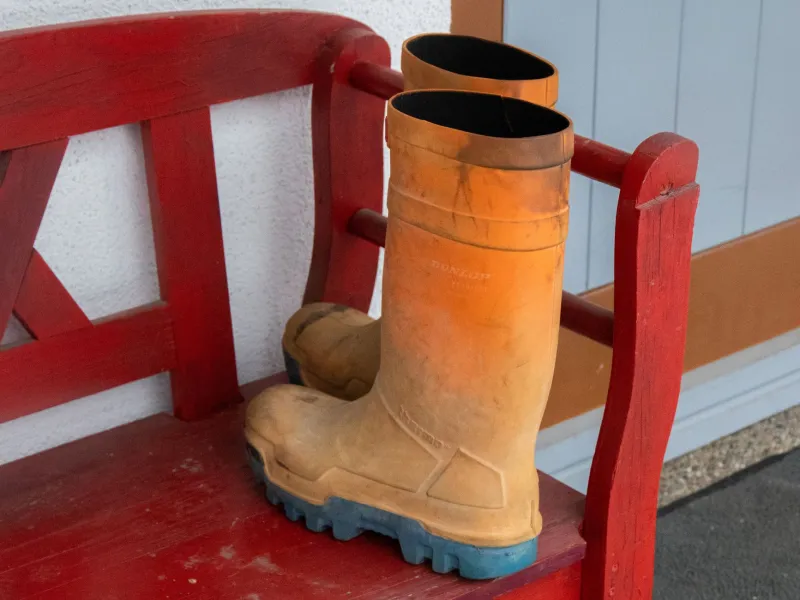
The main entrance and car park are the easiest way in. From there to the station area is a short walk, mostly on firm ground, but expect a mix of tarmac and compacted gravel rather than a seamless ribbon of smooth paving. A standard pram handles it fine in dry weather. A wheelchair with narrow tyres will manage, though wet leaves and muddy patches can make the push a bit more effortful. Wellies are not just a fashion statement here — they’re genuinely useful in autumn and winter.
The platform itself is roughly level, with a gentle slope in places rather than a dramatic ramp. Benches are spaced along the platform, which is a blessing if you’re pacing yourself or travelling with someone who needs to stop and rest. If you’re dropping off a passenger with limited mobility, ask about the closest drop-off point when you book; it saves a unnecessary loop of the car park and a longer walk than needed.
Boarding the train: the bit that needs honesty
This is where heritage railways differ from modern transport. The carriages are charming, but they were not designed for twenty-first-century buggies and wheelchairs. Most boarding is via steps, and some carriages have a fairly high first step. Staff and volunteers are used to helping, but they are not a magic lift. If you use a wheelchair, do not assume you can stay in it for the journey. On many heritage trains, you’ll need to transfer to a seat, with your chair folded and stored in the guard’s van or a designated space. That transfer is not step-free in every case.
There is usually a portable ramp available for boarding, but it is worth asking specifically when you book rather than hoping for the best on the day. Say clearly: “I use a wheelchair and need step-free boarding if possible.” That gives the team a chance to allocate the right carriage or explain the limitations. The same goes for a grandparent with a walking frame or a recent hip replacement — mention it at booking. The railway is friendly, but it isn’t psychic.
If you’re travelling with a pram, plan to fold it for boarding. A sling or carrier is genuinely useful for babies if you want to avoid leaving the pram in the buggy park. There is usually a designated buggy parking area near the station, but space is tighter on busy event days. Take valuables with you and label the pram if you’re leaving it.
Toilets, baby change and quiet corners
The main station has an accessible toilet, and there is baby-changing provision — often within the accessible toilet rather than a separate room. That’s normal for a heritage site, but it does mean a queue can form at peak times. Trains themselves do not have toilets, so make a pit stop before boarding. If you have a little one in nappies, change before the journey rather than halfway through a forty-minute round trip.
Quiet spaces are less formal here than at a big museum. The tearoom often has a calmer corner away from the busiest tables, especially before 11am or after the lunch rush. If your child finds noise difficult, ask a volunteer where the quietest spot is — they know the site’s rhythms better than any map. Ear defenders are a sensible packing item for steam events and busy weekends. The hooter is part of the fun, but it is also loud.
What works well
- The site is compact, so you’re not trekking for miles between the car park, platform and tearoom.
- Staff and volunteers are approachable and used to helping families with buggies, small children and older visitors.
- Benches and seating are spread around, which makes a slow-paced visit realistic.
- Off-peak weekdays are noticeably easier for wheelchair users, prams and anyone who finds crowds tiring.
- The accessible toilet and baby-changing facilities cover the essentials, even if they’re not glamorous.
What to plan for
- Boarding is not fully step-free on every carriage. Ask about transfer arrangements before you book.
- Gravel and compacted paths are fine in dry weather but can be muddy after rain. Sturdy wheels help.
- Buggy storage is limited on event days. A sling or carrier gives you more flexibility.
- The train toilets don’t exist, so use the station facilities first.
- A grandparent with limited mobility may prefer a shorter platform stroll and a bench-based view rather than a full carriage shuffle. That’s still a lovely day out.
Booking tips for 2026
Book online where you can, and use the comments or access-needs box to flag anything important: a wheelchair space, a walking frame, a pram, a quiet seat, or a grandparent who needs to board slowly. If you can’t see an access box, email or ring before the day. For 2026, off-peak weekday trains remain the most comfortable option for anyone who needs space and time. Weekend events and Christmas trains are brilliant, but they are busier and less forgiving if you’re hoping for a leisurely boarding.
Arrive with a little extra time — thirty minutes is sensible if you need to park, use the loo and sort out a buggy or wheelchair transfer. In winter, check daylight and weather before you travel; a frosty platform is pretty, but it can be slippery. Ask about the accessible toilet’s location when you arrive, and don’t be shy about asking a volunteer to point you towards the quietest waiting spot.
The honest verdict
Pugneys Light Railway is not a fully step-free, pushchair-perfect visitor attraction, and it doesn’t pretend to be. It is a small heritage railway with genuine charm, helpful people and a few old-building limitations. If you plan around the platform gap, the carriage steps and the weather, it can still be a genuinely good family day out — the kind where everyone gets a bit of steam, a sit-down and a slice of cake. Just bring your wellies, your patience and a willingness to ask for help. That’s the real accessibility kit.